 Trending in the US
Summary: Daytime noise can hide tinnitus. Night is different. When the room goes quiet — or when you crank a fan on high hoping the whoosh will drown the hiss — many people notice the ringing is still there, sometimes louder than it felt all day. That pattern is not proof you need a louder fan. It points to an overactive auricular nerve behind the ear stuck ON — a pathway that keeps firing whether the room is noisy or silent.
Below are six reasons a chrome micro-electric NMS pen called Tinnito™ V2 is being used at home on that behind-the-ear contact point — after white noise, apps, and “just get used to it” stop helping the quiet-room hours.
1. Quiet Rooms, Bedtime, and a Fan on MAX Expose How Loud the Ringing Really Is

Open with the moment most people recognize: when everything goes quiet, the ringing steps forward. TV off. Conversations done. Lights out. Some people put a fan on MAX — or run white-noise apps — to cover the hiss. The cover helps them fall asleep. It does not turn the ringing off. In the morning they still know it was there under the whoosh.
That is the pattern: daytime distraction masks it; quiet rooms and fan-MAX nights reveal it. Silence makes it louder because there is less competing sound — not because the nerve suddenly got worse at 11 p.m.
Tinnito™ is built for the stuck-ON auricular nerve pathway — not for buying a louder fan or another sound app that only covers what is still firing underneath.
2. Covering the Noise Is Not the Same as Turning the Signal Off
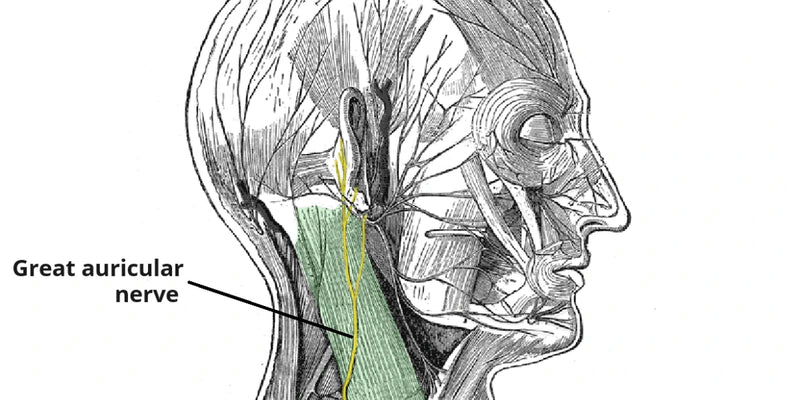
There is a nerve behind your ear — the auricular nerve. After loud noise, aging, infection, medication, head injury, or years of earbuds, it can get stuck ON. It keeps sending phantom signals even when the room is silent — and even when a fan is blasting on high. Your brain reports that as ringing, buzzing, or hissing.
A fan, a sound machine, or a podcast covers the noise so you can sleep. That is useful. It is still covering. The signal under the cover can keep firing. Think of it like putting a blanket over a light that stays on — you see less of it; the light is not off. That is the only analogy here; the rest is literal.
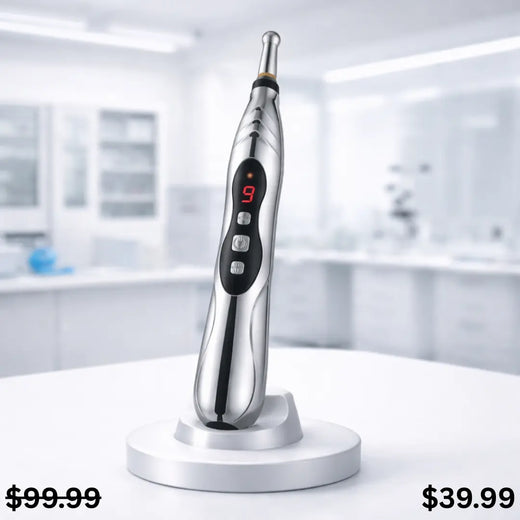
Tinnito™ is a handheld chrome micro-electric / NMS pen. The ball head is designed for the area behind the ear, where that overactive auricular nerve sits. You press the tip in place, turn it on for about 30–60 seconds, and feel a light tingling or tapping. That sensation is low-frequency neuromuscular stimulation (NMS) on the nerve area.
Tingling or tapping means the device is working on the nerve pathway. It is not a claim that tinnitus is permanently gone. Users describe the ringing quieting, fading, or dropping in intensity when that stuck-ON signaling calms — including on the quiet nights when a fan used to be the only option.
3. White Noise, Apps, Supplements, and “Just Get Used to It” Leave the Nerve Stuck ON
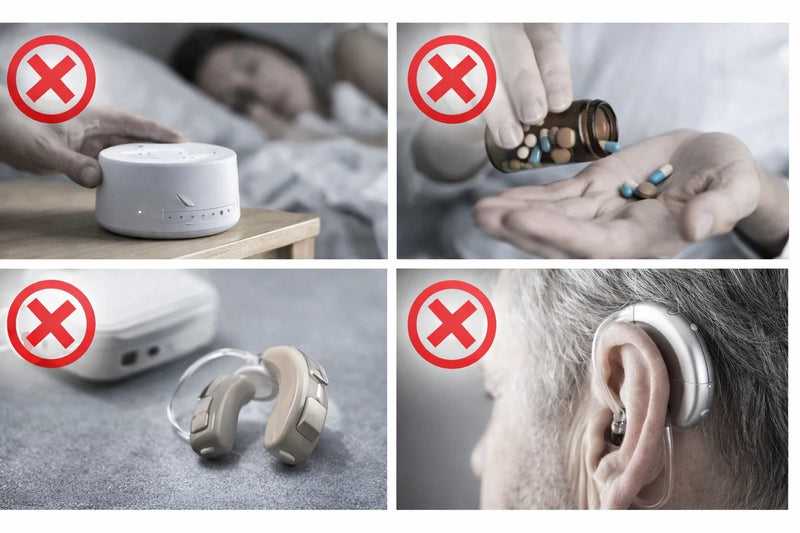
If quiet rooms and fan-MAX nights already own your evenings, none of this will surprise you:
- Fan on high / white-noise machine — covers the hiss so you can sleep; the nerve keeps firing underneath.
- Sound apps and rain tracks — another layer of cover; still not a turn-off for the stuck-ON signal.
- Lipo Flavonoid and ginkgo — supplements many people take for months with little change in the quiet-room ringing.
- “Just get used to it” — advice that ignores the nights when silence makes it louder.
- Another hearing test that only scores the ear — maps hearing again; still skips the pathway behind the ear.
Tinnito™ is different because it goes after the overactive nerve signal instead of asking you to cover it with a louder fan.
4. You Can Feel It Working in About 30 Seconds Behind the Ear

Clinic-style nerve stimulation machines can cost thousands and require more appointments. Tinnito™ brings a pre-programmed NMS pattern into a pen you keep at home.
Typical use: attach the ball head, place it behind the ear, run a short 30–60 second session, and notice whether the ringing intensity drops after the tingling settles. Many people keep it on a nightstand and use it when the room goes quiet — the same hours when a fan on MAX used to be the only plan.
No water. No pills. No louder fan. A short session on the nerve area you can actually reach.
5. The V2 Kit Includes Interchangeable Heads — Including the Ball Head for Behind the Ear

Tinnito™ V2 ships as a chrome micro-electric kit with interchangeable stimulation heads. The ball head is the one most people use for the behind-the-ear placement described above.
Everything needed to start is in the box: the pen, heads, and charging cable. You are not hunting for a separate attachment after checkout.
That matters if quiet nights and fan-MAX cover have been your whole strategy — and nothing has touched the auricular nerve behind the ear.
6. You Can Try It Risk-Free for 30 Days

Right now the core Tinnito™ offer on the official Xeviola store is $39.99 $99.99 — over 50% off the listed price during this launch window.
Use it for a full 30 days. If the ringing does not quiet enough for you — if nights are still loud under the fan and you want out — return it for a refund under the store’s 30-day money-back guarantee.
When everything goes quiet and silence makes it louder, covering is not the same as turning the signal off. This is a chance to test the stuck-ON auricular nerve approach at home without another “just get used to it” night.
Get Tinnito™ V2 While Launch Pricing Is Still Open
Tinnito™ by Xeviola is the chrome micro-electric NMS pen built to calm an overactive auricular nerve stuck in the ON position — the pathway fan-MAX cover and quiet-room nights do not turn off.
Step 1: Order Tinnito™ at the launch price while this page still shows availability.
Step 2: When it arrives, start on a low setting with the ball head behind the ear for 30–60 seconds.
Step 3: Notice whether the tingling confirms contact and whether the ringing intensity fades after sessions — then keep using it on the quiet nights that used to need a fan on MAX.
What People Report After Quiet Nights and Fan Cover Still Left the Ringing
Individual results vary. These are customer experiences, not a promise that tinnitus will be eliminated.

“I’ve spent thousands on treatments that promised to stop the ringing. None of them worked. Tinnito cost me less than a nice dinner and actually delivered.”

“Doctors told me there was nothing I could do about it. Tinnito proved them wrong.”

“During the day I could distract myself. At night there was nothing to cover up the ringing. That’s why Tinnito quickly became part of my bedtime routine.”

“For years I assumed the ringing was simply something that came with getting older. I only wish I’d known about it sooner.”
When Silence Makes It Louder, Stop Searching Only for a Louder Cover
When everything goes quiet — or when a fan on MAX still leaves the hiss underneath — covering is not turning the signal off. White noise, apps, and supplements leave a stuck-ON auricular nerve behind the ear alone.
Tinnito™ V2 puts a short NMS session on the behind-the-ear contact point so you can feel the device working and judge whether the ringing fades for you.
$39.99 (was $99.99) · 30-day money-back · Official store only
Tinnito™ is not intended to diagnose, treat, cure, or prevent any disease. Results vary. Use as directed. If you have sudden hearing loss, severe pain, or neurological symptoms, seek medical care. These statements have not been evaluated by the Food and Drug Administration.